Understanding the relationship between operational strategy and culture
When it comes to executing a business strategy, there’s one key factor that often gets overlooked: culture. While operational strategy defines the path to achieving business goals, culture dictates how effectively that path is followed. The relationship between operational strategy and culture is profound, yet often misunderstood. To truly succeed in any organization, you need both elements to align seamlessly.
The best strategies fail when they clash with the culture of the organization. Conversely, a strong culture without a clear strategy will never achieve meaningful results. The key to success lies in integrating the two, ensuring that your operational strategy is supported by a culture that drives execution, innovation, and continuous improvement.
The interplay between both concepts
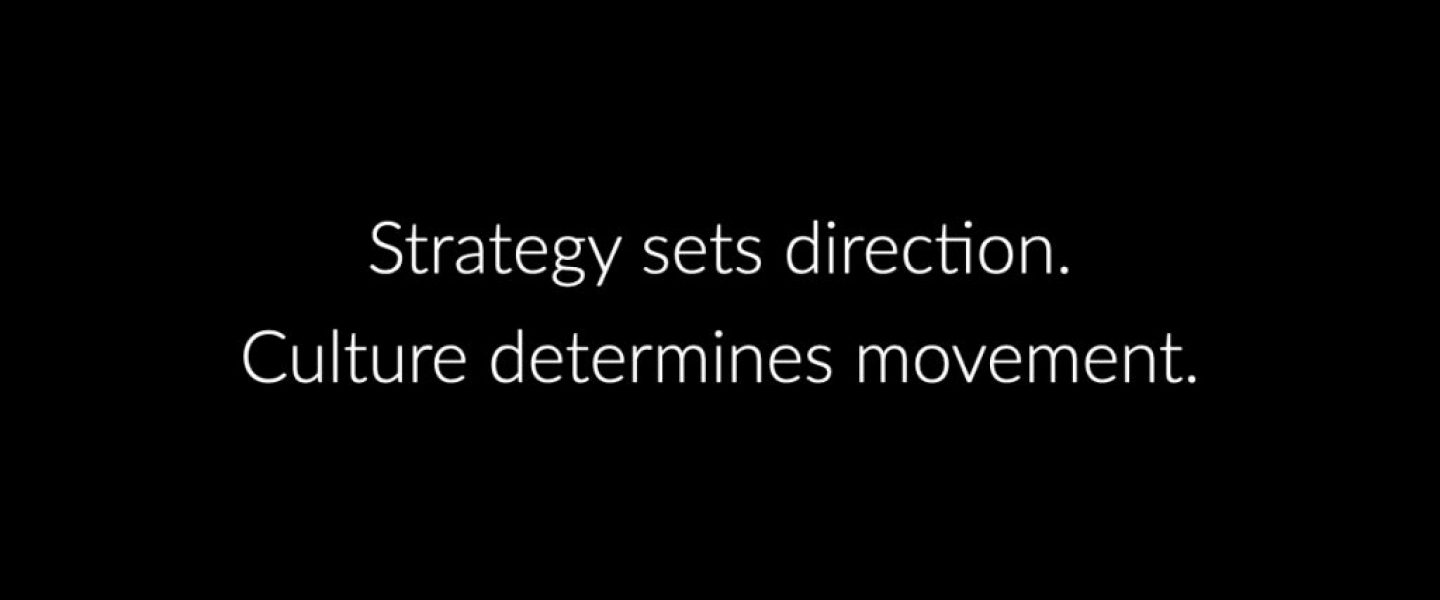
Operational strategy and culture are deeply interconnected. Operational strategy provides the framework—the “what” and the “how” of business activities. It outlines the goals, processes, and metrics that define success. However, culture defines the “why” and the “who.” It shapes how employees interact with each other, how they approach their work, and how they respond to challenges.
Without a supportive culture, even the most well-designed strategy can crumble. I’ve seen this happen in companies where the strategy was sound, but the culture was resistant to change. When employees are disengaged or resistant, they don’t execute the strategy effectively, regardless of how clear or structured it may be.
On the other hand, a strong, aligned culture can propel a strategy forward. Leaders must ensure that the culture they foster supports and enhances the execution of the strategy. A culture of accountability, collaboration, and innovation is essential to drive operational excellence and create lasting success.
Why leadership is crucial in aligning strategy and culture
Aligning operational strategy with culture is not just the responsibility of HR or middle management; it requires active and intentional leadership. Leaders play a critical role in fostering a culture that supports the strategic direction of the organization. They set the tone, model the desired behaviors, and reinforce the values that align with the strategy.
A leader who understands the nuances of culture will know how to shape it to support operational goals. For instance, if a strategy requires rapid innovation, a culture that encourages risk-taking, learning from failure, and constant experimentation will facilitate that process. Alternatively, if a strategy focuses on efficiency and precision, a culture that prioritizes attention to detail and continuous improvement is necessary.
I’ve worked with companies where the leadership team made the mistake of focusing solely on the strategic plan, without paying attention to the cultural elements that could either support or undermine it. In one case, a company that wanted to scale quickly struggled because their culture didn’t embrace change or take initiative. Once leadership aligned the culture with the strategy—emphasizing collaboration, adaptability, and accountability—the company saw rapid improvement in execution.
Building a culture that supports operational strategy
To build a culture that supports operational strategy, leaders need to focus on several key areas:
- Clear communication of the strategy
Every member of the organization should understand the strategy and how it aligns with the company’s values. When the operational strategy is communicated clearly, employees are more likely to understand their role in executing it. It also helps foster a sense of ownership and responsibility.
For example, at a retail company I advised, leadership communicated their strategy for customer-centricity across all levels. They paired this with a cultural focus on customer service excellence, ensuring that employees were not only clear on what to do but also motivated to deliver the desired experience.
- Developing a feedback-rich environment
A culture of open feedback is essential for aligning operational strategy and culture. Regular feedback loops ensure that the strategy remains relevant and adaptable, and they help identify areas for improvement in both the strategy and culture.
In one of the companies I worked with, leadership implemented quarterly feedback sessions, where employees could discuss how well the strategy was being executed and suggest adjustments. This created a culture of continuous learning and improvement, directly enhancing the effectiveness of the strategy.
- Reinforcing desired behaviors through rewards and recognition
A key element of fostering the right culture is recognizing and rewarding behaviors that align with the strategy. When employees are consistently rewarded for actions that support the strategy, those behaviors are more likely to be repeated. Recognition is a powerful tool for reinforcing the cultural norms that drive operational success.
Leaders must consistently model and reinforce the behaviors they want to see. If collaboration and teamwork are crucial to the strategy, leaders should actively promote and reward those behaviors, creating a cultural environment that supports collective success.
The impact of misalignment between strategy and culture
When operational strategy and culture are misaligned, the results can be detrimental. Employees may become disengaged, frustrated, or confused about how to execute the strategy effectively. Instead of working towards the same goal, teams can become fragmented, leading to inefficiencies, lack of coordination, and missed opportunities.
I once consulted with a company that had a culture of silos. Each department operated independently, which led to significant delays in project execution. Despite a well-thought-out strategy for cross-functional collaboration, the culture was not aligned with it. Once leadership addressed this cultural misalignment by promoting inter-departmental cooperation and creating cross-functional teams, execution improved dramatically.
Driving operational success through strategic culture alignment
A truly aligned organization functions as a well-oiled machine. Every team member understands the direction, the priorities, and the values that guide decisions. Operational success thrives in this environment, where culture and strategy are in harmony. But alignment doesn’t happen by chance. It requires constant effort from leadership, who must proactively shape both strategy and culture to complement each other.
When strategy and culture are misaligned, operational success becomes more difficult to achieve. The friction between what is being asked of employees and how they feel about those demands can lead to resistance, disengagement, and inefficiency. To avoid this, leaders must continuously work to reinforce the connection between operational strategy and culture.
Creating a culture that supports strategic goals
The first step in building a culture that supports operational strategy is ensuring that everyone understands the strategy. This may sound simple, but it’s often overlooked. Leadership must not only communicate the strategy clearly but also make sure that it’s embedded in the everyday practices and behaviors of the organization.
For instance, if the strategy emphasizes innovation and agility, the culture must support these values. Leaders can foster this by promoting flexibility, encouraging new ideas, and rewarding risk-taking. By consistently reinforcing the importance of innovation, they ensure that employees understand their role in driving the strategy forward.
In one company I worked with, the leadership emphasized speed in their operational strategy. However, the existing culture of the company was focused on perfection and risk aversion. The leadership team took a proactive approach to shift the culture, encouraging more rapid decision-making and rewarding fast problem-solving. This change allowed the company to execute its strategy more effectively and increased overall operational efficiency.
Leadership’s role in reinforcing cultural alignment
Leaders are not just strategists—they are culture builders. If leadership is not modeling the desired cultural behaviors, the strategy will struggle to succeed. Culture begins at the top, and leadership must consistently demonstrate the behaviors, values, and attitudes that they expect to see throughout the organization.
Leaders must also actively create systems and processes that support the culture. For example, if the culture emphasizes collaboration, leaders should ensure that the organizational structure encourages cross-functional teamwork. Leaders can break down silos, remove barriers to communication, and create platforms for idea-sharing. This active reinforcement of cultural values ensures that employees have the support they need to align with the strategy.
One key aspect of leadership’s role in cultural alignment is providing consistent feedback. Leaders who take the time to recognize behaviors that align with the strategy help reinforce the desired culture. In organizations where culture and strategy are aligned, this feedback loop becomes part of the company’s ongoing rhythm, ensuring that the organization remains on track.
Measuring the impact of cultural alignment on operational success
To truly understand the impact of aligning strategy and culture, leaders must track progress over time. This means defining clear metrics that assess both cultural alignment and operational success. By measuring culture through employee engagement, satisfaction, and performance, and pairing these with operational KPIs, leaders can gauge whether their efforts are translating into real, measurable outcomes.
For example, a company I worked with integrated cultural alignment metrics into their performance reviews. Leaders asked questions such as: “How well are our values being demonstrated in your work?” and “How does your role contribute to the company’s strategic goals?” This allowed leaders to tie culture directly to performance outcomes, making it clear that cultural alignment was essential for success.
Another critical aspect of measuring success is ensuring that the culture is adaptable. A culture aligned with strategy must evolve as the business changes. Leaders should continuously evaluate how well the culture supports the strategy and make adjustments when necessary. Culture isn’t static, and neither is strategy. Both must remain fluid and responsive to changes in the external and internal business environment.
Overcoming common challenges in aligning strategy and culture
Despite the importance of aligning operational strategy and culture, many organizations struggle with this integration. A few common challenges often arise:
- Resistance to change
Changing a company’s culture is not easy. Employees may resist shifting behaviors and attitudes, especially if the change conflicts with long-standing values. Leaders must address this resistance by communicating the rationale behind the changes, providing support, and involving employees in the process. - Lack of communication
Clear, consistent communication is crucial to aligning strategy and culture. Leaders must regularly articulate how the strategy and culture work together to drive success. Without this communication, employees may become disengaged or confused about their role in the company’s success. - Inconsistent leadership
If leaders are not aligned themselves, it’s impossible for the rest of the organization to be aligned. Leaders must demonstrate consistent behavior and reinforce the same message across all levels of the organization. Misalignment among leadership will create confusion and hinder progress.
Conclusion: The lasting impact of strategic culture alignment
The relationship between operational strategy and culture is one of the most critical factors in organizational success. When leadership fosters alignment between the two, operational efficiency improves, teams are more engaged, and overall business performance rises. Leaders must continually assess and adjust the alignment of culture and strategy to ensure sustainable growth and resilience.
By making the connection between operational strategy and culture explicit and reinforcing it consistently, leadership can create a thriving organization that not only survives in challenging times but thrives because of its strategic and cultural alignment.
For a deeper dive into how leadership shapes resilience and culture, check out The role of leadership in cultivating operational resilience, where we explore leadership behaviors that drive long-term success.